Imagine waking up every day and the first thing you feel is a heavy weight on your chest. That is exactly how Sumayya feels in this story. She is going through so much pain, but she has to hide it behind a smile. She starts her day by saying a prayer because the hurt in her heart is just too much to handle. One part of the book really shows how she feels when it says — "Inalilahi wa ina ilaihi raju'un! I said it again and again, the pain I feel in my heart is bigger than anyone can imagine." (translated from Hausa). This is a woman who is crying inside while she tries to look okay on the outside. She even has to go to the bathroom just to wash her face and hide the tears before her husband sees her. She is trying so hard to be a good wife, but the people around her are making it almost impossible.
Her husband, Abdallah, is someone she loves very much. She calls him "Qalbi," which means my heart. It is sweet but also sad because he is often the one causing her stress, even if he doesn't mean to. When she comes out of the bathroom, she puts on a fake smile and tries to act normal. He hugs her, and for a moment, you think things are okay. But the drama in this house never ends. Sumayya is a working woman, and she has to get ready for the office. Even when she is just trying to get dressed, there is tension. She has to beg him to let her put her clothes on because he is acting clingy, but not in a way that makes her feel truly safe. You can find more stories about complicated marriages if you download Hausa novels from the best sources online.
The real trouble starts when Sumayya leaves the room. Downstairs, her mother-in-law, Mama Sa'a, and her sisters-in-law, Rumana and Jidda, are waiting. These women do not like Sumayya at all. They sit there eating breakfast and talking bad about her the moment she walks past. Mama Sa'a acts like Sumayya is a bad wife just because she goes to work. She says Sumayya doesn't care about her husband. Rumana and Jidda are even worse. They start talking about her upbringing and saying she has no manners because she grew up without a father. It is so mean and unfair. They are basically bullying her in her own home. If you like stories where the main character has to deal with tough in-laws, you should check out BANI DA HUJJA or maybe BA NI DA HUJJA because they have that same kind of family drama.
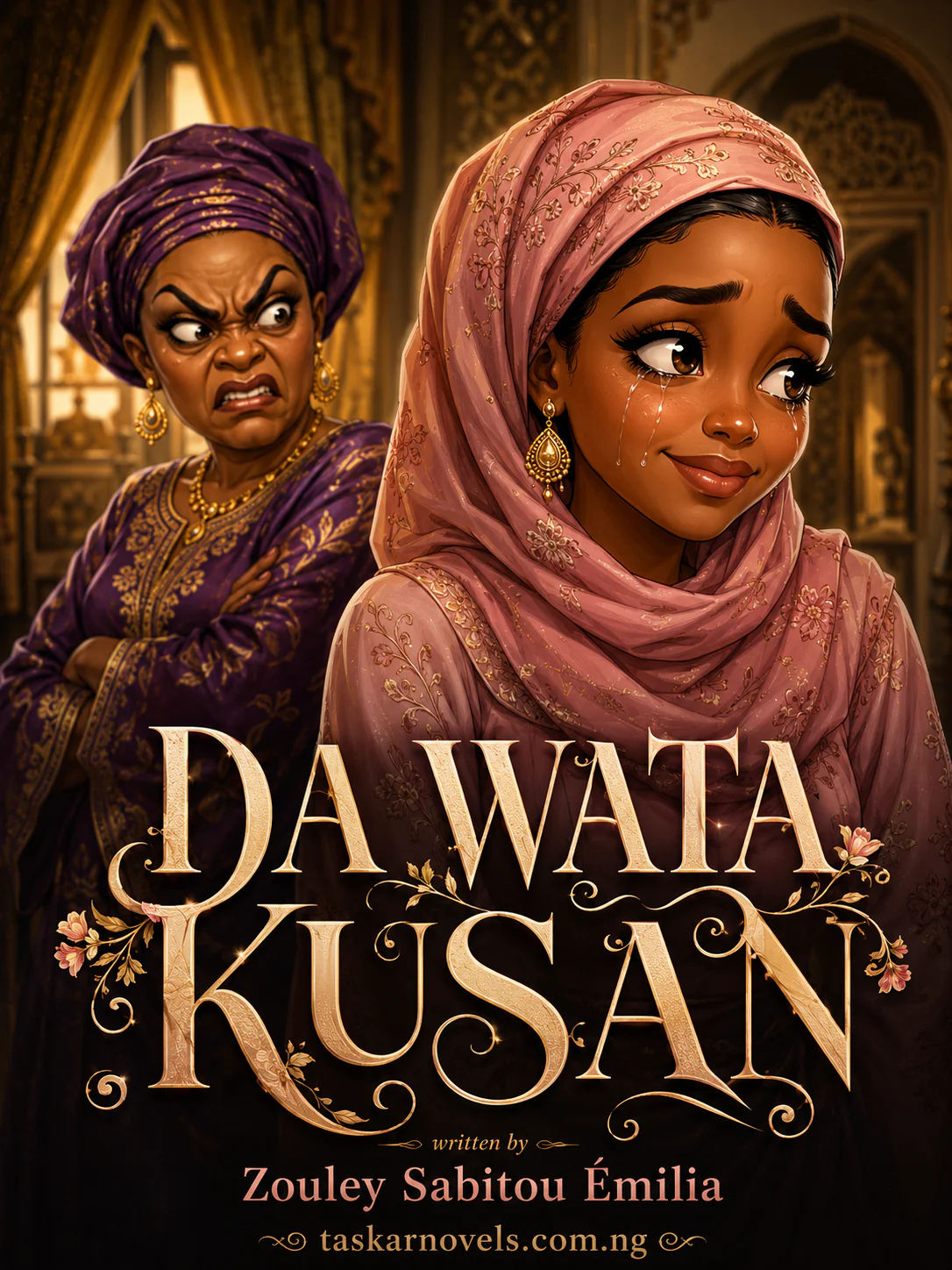
Abdallah is caught in the middle of all this. He knows his mother is difficult, but he doesn't know how to stop her. When he comes downstairs, Mama Sa'a starts poisoning his mind. She tells him that Sumayya might even be stealing his money at the office. Instead of standing up for his wife completely, Abdallah gets frustrated. He tries to tell his mother to stop, but then she starts making a big scene, crying and acting like he is being disobedient. It is a total mess. This author, Zouley Sabitou Émilia, really knows how to write about that toxic family energy that makes you want to scream at the characters. You can find this book and other best Hausa novels on the main site.
Even when Sumayya is at work, she can't find peace. Abdallah shows up at her office not to bring her lunch or say something nice, but to complain. He walks in without even saying hello and asks her what she did to his mother. He says — "Since early morning she has been complaining, what did you do to Mama?" (translated from Hausa). Imagine being at work, trying to focus, and your husband comes in just to blame you for something his mother started. Sumayya is so tired. She wants to explain herself, but she knows it might just lead to more fighting. She tells him they should talk at home so people at the office don't hear them. She is trying to protect their dignity, but Abdallah is just too annoyed to care at that moment. This kind of struggle reminds me of the book DABAIBAYI where the characters are also trapped in difficult situations.
The story gets even more intense when they are back at home. Sumayya tries to be the perfect wife by cooking dinner for everyone. But when it is time to eat, Abdallah ignores her. He is busy with his laptop and won't even look at her. Sumayya actually goes to him and begs for forgiveness, even though she didn't do anything wrong! She says she would rather be whipped a hundred times than have him angry with her. It shows how much she is suffering just to keep her marriage together. But just as they are about to talk, Mama Sa'a bursts into the room like a storm. She calls Sumayya names and tells her to get out because she wants to talk to her son alone. It is so disrespectful. For more stories about girls facing hard times in big houses, you can read ABBANA or YAR NOLLYWOOD.
Later that night, Abdallah comes into their room, and you see his internal struggle. He looks at Sumayya and you can see he is confused. He asks her what she wants to become in that house because there is trouble every morning and every afternoon. Sumayya is almost in tears again. She asks him to please listen to her side of the story, but he just warns her to stay away from his mother's trouble or he will deal with her. He doesn't even listen! He just walks out. Sumayya ends up spending the night praying and crying. She feels like she has no one but God. If you are looking for Hausa novels online, this one will definitely make you feel a lot of emotions. It's a real emotional rollercoaster.
The next morning, things seem a bit better because Abdallah wakes up in a good mood. This is the part that is really confusing about him. One minute he is mean, the next he is hugging her and asking if she slept well. But then, he asks her to go and clean his mother's room. He tells her to do the sweeping and mopping. Now, they have house help, so why is he asking his wife to do it? He is trying to make his mother happy by using his wife as a servant. Sumayya doesn't argue, she just goes. But when she gets to Mama's room, the old woman is still being nasty. She won't even let Sumayya clean when she wants to. She just wants to control everything and make Sumayya feel small. You can see the patterns of a very difficult life here, similar to what happens in MAFARI HARGITSIN RAYUWA.
There is a part where we see what is going on in Abdallah's head. He is not a completely bad guy, but he is weak. He says to himself — "I don't have any wish in life more than to see Sumayya in happiness and peace, but it has failed." (translated from Hausa). He sees her crying every day. He knows his family is making her life a living hell. But he feels stuck. He wants to protect her, but he also wants to be a "good son" to a mother who is very manipulative. This is the big conflict of the story. How can a man balance his love for his wife and his duty to his mother when his mother is trying to destroy his marriage? It is a situation many people face in real life, and Zouley Sabitou Émilia writes it in a way that feels very real.
Sumayya's patience is really something else. Most people would have packed their bags and left a long time ago. But she stays. She keeps cleaning, she keeps cooking, and she keeps praying. She is hoping that one day, her husband will truly stand up for her and that his family will see her value. But the way things are going, it looks like it is going to get a lot worse before it gets better. The drama is just starting, and you can feel the storm coming. The way the sisters-in-law are planning "to take action" against her is very scary. You know they are going to try something even meaner soon. If you want to see how this all ends, you definitely need to keep reading Taskar Novels for the rest of the story.
This book is perfect for anyone who loves a good family drama. It makes you think about how we treat people and how hard it is for some women in their husband's houses. Sumayya is a character you will really root for because she is so kind despite all the hate she gets. You will find yourself wanting to jump into the book and defend her! To read the full story of "DA WATA KUSAN" and discover many other amazing books, head over to Taskar Novels. They have all the latest and best stories waiting for you. You can find everything you need right there on Taskar Novels.